How to Read a Certificate of Analysis (COA) for Hemp Products
Learn to read and understand Certificates of Analysis (COA) for hemp and THCa products. Ensure quality, safety, and compliance with this comprehensive guide.
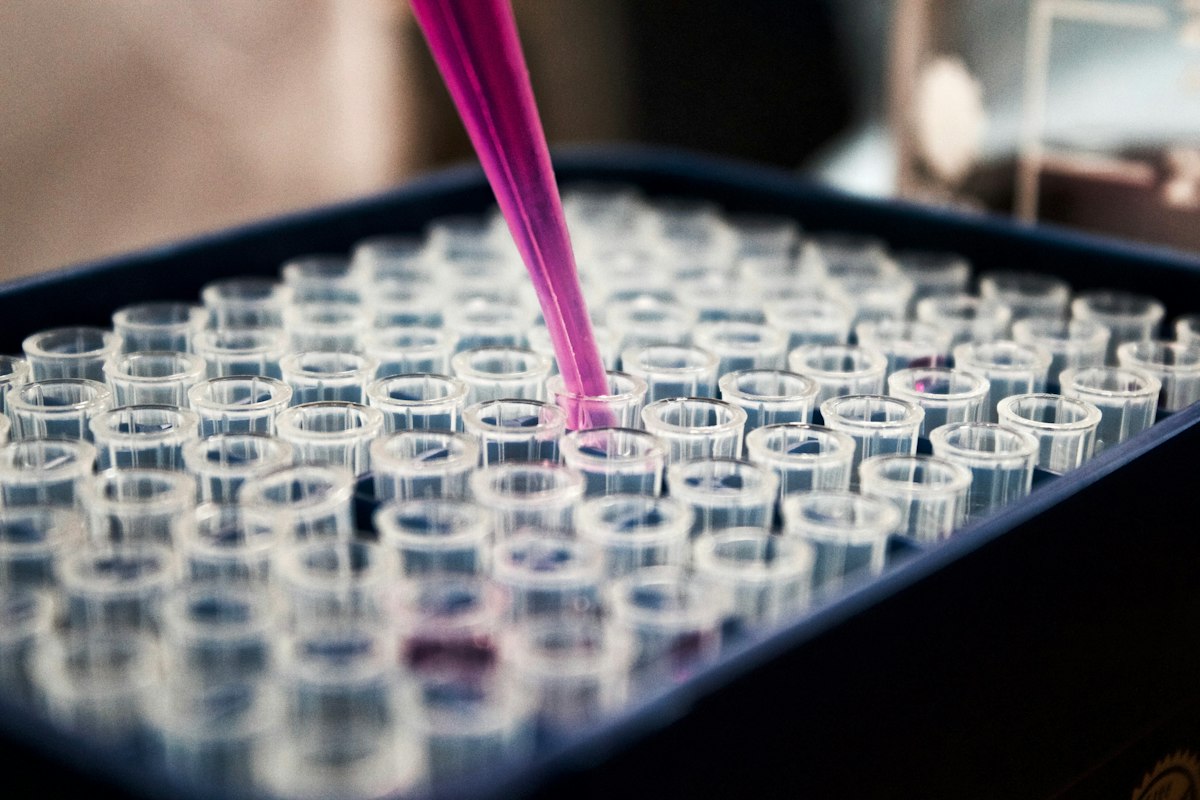
A Certificate of Analysis (COA) is your window into product quality and safety. Understanding how to read a COA is essential for making informed purchasing decisions in the hemp industry.
What is a Certificate of Analysis?
A COA is a document from a third-party laboratory that verifies the chemical composition, purity, and safety of a hemp product. It serves as a guarantee that the product has been properly tested and meets established standards.
"A COA is more than just a piece of paper — it's a promise of transparency. It tells you exactly what's in your product and that it's been independently verified as safe."
Key Components of a COA
🔬 Cannabinoid Profile
This section shows the percentage and mg/g of each cannabinoid present:
- THCa: The acidic form of THC, non-psychoactive
- Total THC: The total THC content after decarboxylation
- CBD: Cannabidiol content
- CBG: Cannabigerol content
- CBN: Cannabinol content
🌿 Terpene Profile
Lists the concentrations of terpenes:
- Myrcene: Typically the most abundant terpene
- Limonene: Citrus-scented terpene
- Pinene: Pine-scented terpene
- Total Terpenes: Sum of all terpenes present
⚠️ Pesticide Testing
Checks for harmful pesticides:
- Pass/Fail: Overall pesticide compliance
- Specific Pesticides: Individual pesticide levels
- Detection Limits: Sensitivity of the test
🔬 Heavy Metals Testing
Tests for contaminant metals:
- Lead: Maximum allowable 10 ppm
- Mercury: Maximum allowable 10 ppm
- Cadmium: Maximum allowable 10 ppm
- Arsenic: Maximum allowable 10 ppm
🦠 Microbial Testing
Checks for harmful microorganisms:
- Total Plate Count: Overall microbial content
- Yeast and Mold: Fungal contaminants
- E. Coli: Specific bacteria testing
- Salmonella: Pathogenic bacteria testing
🧪 Residual Solvents
Tests for extraction solvents:
- Butane: Common extraction solvent
- Propane: Used in butane extraction
- Ethanol: Common extraction solvent
- Acetone: Harmful if present in high amounts
Understanding Potency Calculations
Understanding potency is crucial for dosage and expected effects:
Total THC Calculation
The formula for total THC: Total THC = %THC + (%THCa × 0.877)
Example: A product with 20% THCa and 0.5% THC has a total THC of 20.04% (20 + (20 × 0.877) = 20.04)
Total Cannabinoids
Sum of all cannabinoids present in the product
Compliance Requirements
For legal compliance under the 2018 Farm Bill:
- Delta-9 THC: Must be ≤0.3% on a dry weight basis
- Total THC: No specific limit, but high levels may affect interpretation
- Testing Method: Must use ISO-certified laboratories
- Documentation: COA must be dated within the last year
Red Flags to Watch For
Missing Test Results
Legitimate products should have comprehensive testing. Missing sections indicate potential issues.
Expired COAs
COAs should be dated within the last year. Older COAs may not reflect current product quality.
No Lab Accreditation
Look for ISO 17025 accreditation or equivalent. This ensures reliable testing methods.
Inconsistent Methods
Testing methods should be consistent with industry standards and clearly documented.
Failed Tests
Any test failures should be clearly indicated. Legitimate companies will have all tests passing.
Tips for Evaluating COAs
- Check the Date: Ensure the COA is current (within the last 6-12 months)
- Verify the Lab: Look for ISO-accredited laboratories
- Review Cannabinoid Profile: Confirm the product matches its advertised claims
- Check Contaminants: Ensure all safety tests are passing
- Look for Red Flags: Missing information or failing tests are concerning
- Compare COAs: If purchasing multiple products, compare their COAs for consistency
The Importance of Transparency
Companies that are transparent about their testing build trust with consumers. Look for businesses that:
- Display COAs: Make them easily accessible on their website
- Provide Batch Numbers: Link COAs to specific product batches
- Explain Results: Help consumers understand what the numbers mean
- Update Regularly: Provide new COAs with each production run
Your health and safety depend on understanding what's in your hemp products. A COA is your best tool for making informed, confident decisions.
See It for Yourself
We publish a full, independent COA for every batch we sell — no exceptions. Browse our lab results before you buy, or explore the full archive of forensically verified flower, hash, and concentrates.
This article is for educational purposes only and has not been evaluated by the FDA. These statements are not intended to diagnose, treat, cure, or prevent any disease. Products are intended for adult use (21+) only and contain ≤0.3% Δ9THC. Consult your healthcare provider and review your local laws before purchasing.